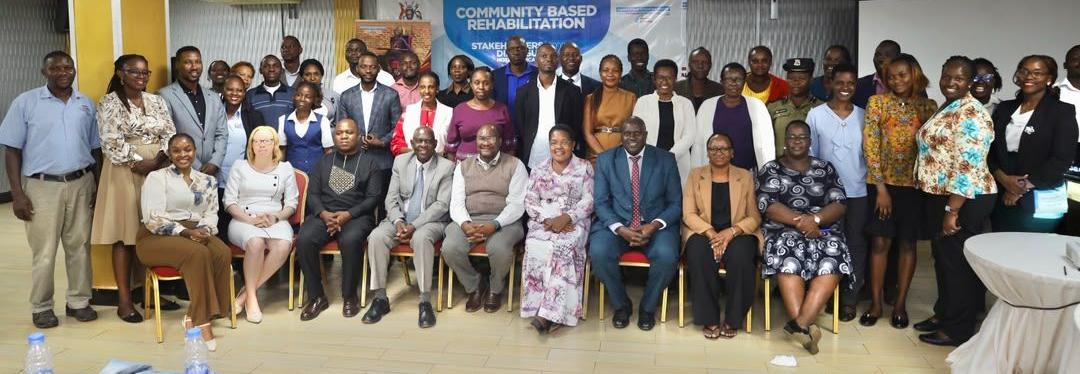
Uganda’s disability sector is calling for a broader, more coordinated approach to disability inclusion, as stakeholders reflect on more than two decades of Community-Based Rehabilitation (CBR) and explore how Community-Based Disability-Inclusive Development (CBDID) can be implemented at scale. On 27 October 2026 at Hotel Africana in Kampala, disability advocates, government representatives, and development partners came together to discuss the transition towards a more inclusive development model.
Albinism Umbrella Executive Director Olive Namutebi attended the dialogue, which examined the progress made under CBR and the opportunities for strengthening disability inclusion across communities and development programmes. After more than 20 years of implementation, Community-Based Rehabilitation has demonstrated its value in supporting persons with disabilities. However, stakeholders noted that the next step is to expand its impact by embedding disability inclusion across broader development processes. The transition to CBDID is expected to strengthen the participation of persons with disabilities in community life while addressing persistent barriers to healthcare, education, employment and access to essential services.
The Board Chairperson of Katalemwa Cheshire Home (KCH) identified four priorities for advancing this transition:
- Universal access to assistive technology
- Improved interventions for children with disabilities
- Stronger coordination among stakeholders
- Increased investment in disability-inclusive development.
These priorities highlight the need for sustained resources and collective action to ensure that persons with disabilities benefit from development programmes on an equal basis with others.
Dr Moses from the Ministry of Health emphasised the importance of raising awareness about existing government programmes and services for persons with disabilities. He highlighted the Ministry’s investment in early detection and early intervention, noting the importance of ensuring that communities are informed about available services and can access them when needed. Improved awareness and access to early intervention services are essential in supporting children with disabilities and promoting better health and developmental outcomes.
The dialogue also explored regulations being developed to operationalise the Employment Act 2026, with employment quotas for persons with disabilities emerging as a key issue. Participants highlighted the importance of reliable disability data in determining who qualifies for employment opportunities under the proposed quotas and where eligible persons can be reached. Without accurate and accessible data, stakeholders noted, implementing employment quotas effectively could remain a challenge. The discussions pointed to the need for stronger data systems, effective enforcement mechanisms and increased engagement with employers to translate policy commitments into meaningful employment opportunities for persons with disabilities.
The transition from CBR to CBDID presents an opportunity to strengthen disability inclusion beyond individual interventions and embed it within Uganda’s broader development agenda. For Albinism Umbrella, the discussions reinforce the importance of ensuring that persons with albinism are represented in policies and programmes designed to advance disability inclusion.
Disability-inclusive development is a shared responsibility, and its success depends on collective action, meaningful participation and sustained investment.
Last modified: October 30, 2026